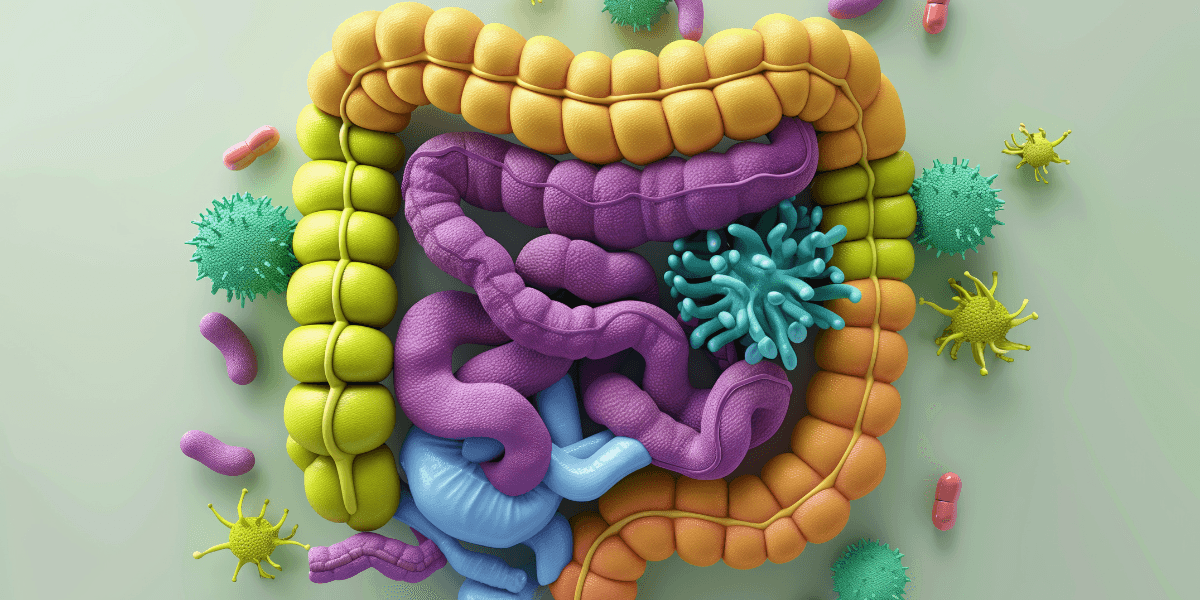
Collagen is a well-know powerhouse in the beauty world, where it is used widely for its benefits for skin health. But did you know its actions extend all the way down to the digestive tract? Go a little deeper with us, as we discover some of the surprising benefits of collagen for both gut health and digestive wellness.
What is Collagen?
Collagen is the most abundant protein found in the human body, providing the backbone of connective tissues including bone, skin, muscles, tendons, cartilage and the gut lining.
Being a protein-based molecule, collagen is made of amino acids including glycine, proline and glutamine. When collagen is digested in the gastrointestinal tract, it is broken down into collagen peptides, which are made up of of short chains of amino acids, making it easier for the body to absorb.1.2
Gut Lining Support
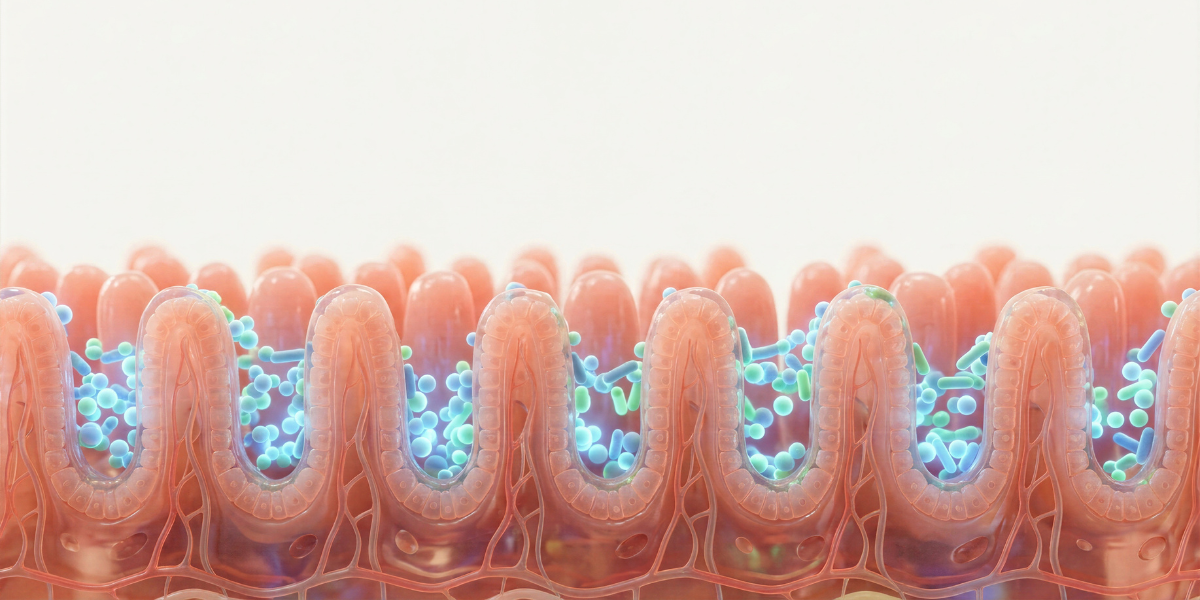
The wall of the gastrointestinal tract is made of several layers of connective tissue (and collagen), with the innermost layer, called the mucosa, providing a physical layer that controls what is absorbed into your bloodstream via the intestinal cells.
The intestinal cells in the mucosal gut lining are held together by a type of ‘glue’ called ‘tight junctions’, which fuse the intestinal cells together, forming a selective barrier to prevent undigested food, bacteria or toxins from entering the bloodstream, while allowing water and essential nutrients to pass through into the blood.
Sometimes inflammation can cause the ‘glue’ or tight junctions between the intestinal cells to break apart, causing a condition called leaky gut, where systemic toxins can readily enter the bloodstream, affecting various organs and systems and causing inflammatory issues, immune dysfunction and more.3
Enter collagen, for all your gut lining support needs!
Collagen for Gut Health
Collagen contains some of the fundamental amino acids that can help to heal a leaky gut for healthy gut support, including:
- Glutamine: acts as a fuel for the cells in the gut lining to regenerate themselves, as well as reducing inflammation and assisting with the function of the tight junctions, fortifying the gut lining.
- Glycine: enhances the mucosal barrier of the gut lining and reduces inflammation and oxidative stress by supporting tight junctions.
-
Proline: upregulates the proteins which support the health of tight junctions between intestinal cells.3,4
Collagen and Digestion
Collagen has been shown to enhance digestive wellness support. Women who took 20g collagen per day for 8 weeks experienced a reduction in bloating and an improvement in mild digestive symptoms.5 Collagen can also support the gut microbiota, acting as a prebiotic fuel for the gut bacteria, supporting digestive health.6
Collagen and Skin Health
In addition to all of the benefits collagen has for skin health including enhancing skin firmness, hydration and elasticity, it also fosters a healthy gut-skin connection by reducing leaky gut and promoting healthy gut bacterial balance. A happy and healthy gut reduces toxins and inflammation that can contribute to skin flare ups. The result? Healthy, glowing skin. Thank you, collagen!
Collagen is Not Forever
Although collagen is naturally made in the body, there are a variety of factors that can impact its production including:
- Ageing
- Sun damage
- Poor diet
- Lack of sleep
- Smoking
- Excessive alcohol
- Chronic stress1,2
Gut Health Supplements
Many people take collagen for wellness and gut health in supplemental form. But what is the best type of collagen supplement to look for? Collagen is sourced from animals, mainly from cows (bovine) or marine sources.
Marine collagen has been shown to be superior to bovine collagen for its reduced environmental impact, being made from natural bioresources (including the skin of fish) via a water extraction process, without solvents or preservatives. Hydrolysed marine collagen can also be easier to absorb than bovine collagen, as it contains smaller collagen peptides.
Top tips for Naturally Supporting Gut Health and Collagen Production
Here are a variety of practical ways of incorporating collagen into your wellness routine, and supporting the health of your gut lining through a healthy diet and lifestyle.
- Bone broth: rich in collagen and amino acids proline, glycine and glutamine for the gut lining. Slow cook marrow-rich grass fed beef bones with a little apple-cider vinegar for 24-48 hours and enjoy in soups, a base for meals, or as a tasty daily drink (water down with two parts water to one part bone broth).
- Eat fermented and prebiotic foods: to foster healthy gut bacteria and reduce inflammation in the gut lining. Include yogurt, kefir, sauerkraut, kimchi and prebiotic fibres like garlic, onions, leeks, oats, and bananas.
- Vitamin C-rich foods: like oranges, strawberries, capsicum, broccoli and Brussels sprouts, all support collagen production.
- Foods high in zinc: also aid collagen production. Try oysters, red meat, poultry, pork, beans, chickpeas, nuts, broccoli, green leafy vegetables, whole grains and milk products.
- Protect yourself from UV rays: and the damaging effects of the sun on collagen production by wearing a SPF30 or higher suncream, wearing a hat, and covering your arms and legs when in the sun.
- Get plenty of sleep: at least 7-8 hours a night.
- Manage you stress levels: and don’t let them become chronic! Try breathing exercises, a walk in the sunshine or chatting,,,,, to a friend.
- Move your body: exercise has been shown to slow down cell activity involved with aging skin.7
This article was written by Corinne Wyper, Naturopath.