Everybody has heard of iron, but did you know how essential it is for energy production, cognitive function and overall wellbeing?
Why is iron important?
Iron is an essential trace mineral which plays a vital role in a variety of processes in the body including the production of red blood cells and haemoglobin, a red blood cell protein that carries oxygen around the body, supplying the body’s tissues, allowing them to function optimally.1 Importantly, iron is also a crucial cofactor for cellular energy production, where it is an essential part of mitochondrial enzymes involved in energy synthesis.2
Benefits of iron
If you’re looking for some bang for your buck with a nutrient, iron is up there for value. Iron has a multitude of benefits, including:
-
Iron for energy
If you’re feeling tired and fatigued, iron may be the go-to mineral your body needs. Iron is well known for supporting healthy energy levels and reducing feelings of tiredness and fatigue, thanks to its involvement in the production of red blood cells and haemoglobin, oxygen transport throughout the body, and its essential role in cellular energy production.
-
Iron and cognitive function
Another surprising benefit of iron is its effects on the brain and cognitive function in healthy adults. Iron deficiency has been associated with cognitive impairments including difficulties with brain fog and concentration.3
-
Iron for women
Given the high turnover of red blood cells every month in menstruating women, it’s a no brainer that iron is one of the most vital nutrients needed for women. As it is also a crucial nutrient in pregnancy, many pregnant women often end up being deficient in iron also.2
Iron for wellness and vitality - Iron is one of the best nutrients you can look out for to improve your energy, vitality and wellness through its roles in energy production and red blood cell health, as well as its immune system supportive benefits.
Low iron symptoms
According to the World Health Organisation, iron deficiency is considered to be a major public health concern, with iron deficiency anaemia affecting 29.9% of the global population. Pregnant women and children are some of the highest populations at risk, closely followed by menstruating women, vegetarians, vegans and athletes.1,2
Look out for the below signs and symptoms of low iron:
- Low energy and fatigue
- Weakness
- Difficulty concentrating
- Poor cognitive function
- Depleted immune function1,2
Iron levels should always be checked via a blood test with a healthcare professional to determine if supplementation is required.
Which foods are high in iron?
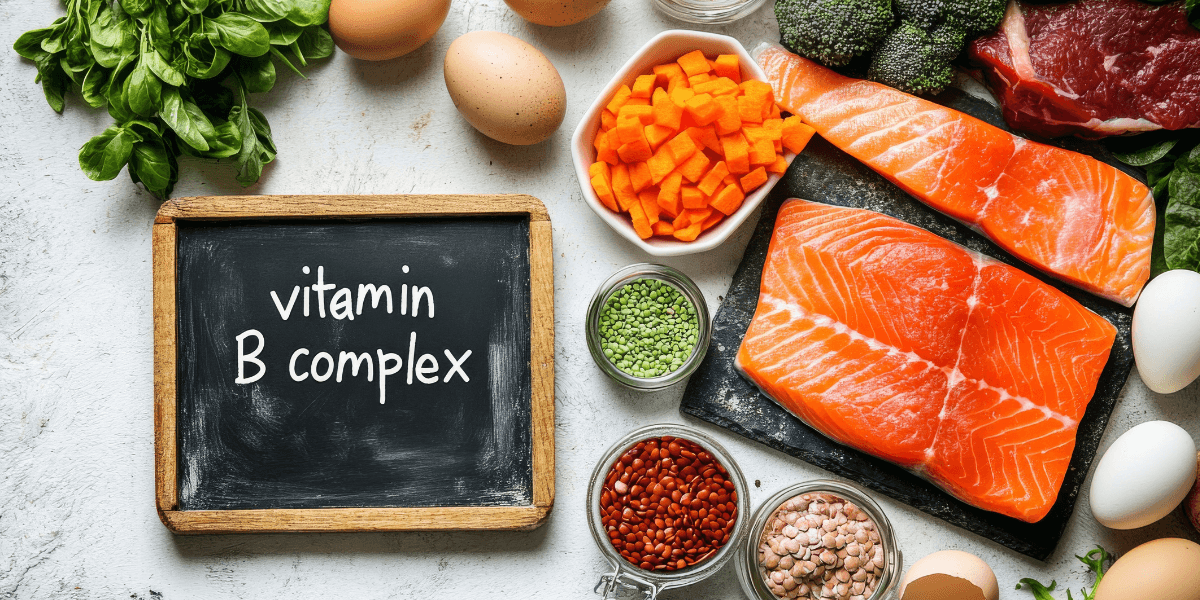
There are two types of iron found in food - haem iron, which is easily absorbed by the body and found in animal products, and non-haem iron, which is harder for the body to absorb, and is found in plants. Foods high in iron include:
Haem iron (animal based)
- Organ meats like beef and chicken liver
- Red meat and poultry
- Seafood including oysters, muscles, sardines, tuna and salmon
Non-haem iron (plant based)
- Spinach
- Broccoli
- Legumes including lentils, chickpeas, baked beans
- Tofu and tempeh
- Almonds, cashews and pumpkin seeds
How can I improve the absorption of iron?
Whether you are consuming iron in your diet from animal or plant-based foods, or are taking a nutritional supplement in addition to your diet, here are our top tricks for helping to absorb iron:
- Include a source of vitamin C with your iron-rich meal (particularly if it is rich in non-haem or plant based iron) or supplement, as vitamin C aids the absorption of iron. Vitamin-C rich foods to include include oranges, strawberries, tomato and capsicum.
- Minimise phytates (found in grains and beans) in your meal, as these bind to iron, inhibiting its absorption. Try soaking grains and beans prior to cooking, sprouting or fermenting your grains, to reduce the phytate content. If you’re taking an iron supplement, separate a phytate rich meal and taking your supplement by at least 2 hours.
- Avoid tannins in tea, coffee, chocolate and wine when you are consuming an iron supplement or iron-rich meal as they decrease the absorption of iron.
- Keep calcium sources away from an iron-rich meal or when you take your iron supplement as they decrease the absorption of iron. Think dairy sources of calcium like milk, yoghurt and cheese, calcium supplements and certain medications including antacids (Mylanta and Gaviscon).
It’s best to avoid iron supplements if you have haemochromatosis (a condition where you absorb too much iron from your diet). If you’re not sure if you have low iron, you can easily head to the GP and have a quick blood test to check and monitor your iron levels.
Best iron supplement for absorption
You’ve probably heard friends complain about issues with iron supplements - with tummy upset and constipation being some of the most common concerns. This is because iron in supplemental form is often bound to different compounds, which may contribute to gastrointestinal discomfort in some individuals. As a result, many people are now looking for gentler iron options. Enter liposomal iron!
This article was written by Corinne Wyper, Naturopath.